
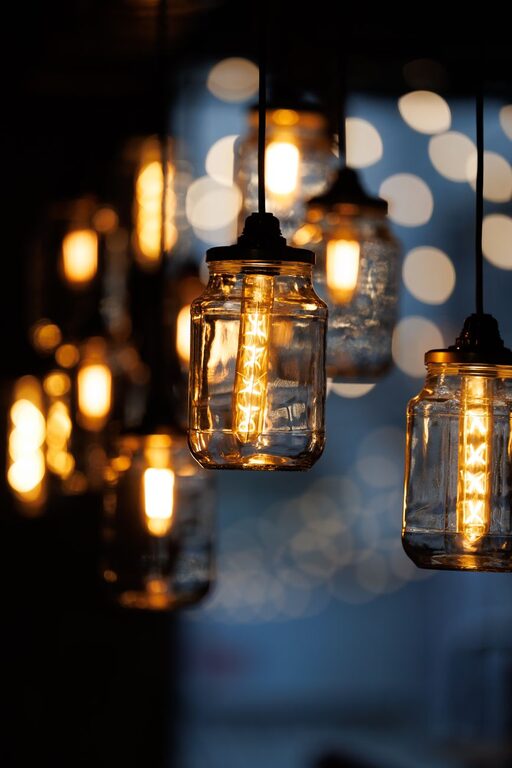
Creating a comfortable atmosphere in your home starts with the right lighting. Whether you are reading a book, cooking dinner, or relaxing with family, lighting plays a vital role in setting the mood and ensuring comfort. Choosing the best home lighting can sometimes feel overwhelming with the many options available. This guide offers practical tips to help you select lighting that is both comfortable and functional for your living space.
Why Comfortable Lighting Matters
Comfortable lighting is more than just brightness. It affects how you feel, how productive you are, and even your eye health. Poor lighting can cause eye strain, headaches, and fatigue, while well-planned lighting promotes relaxation, focus, and a welcoming environment.
When choosing lighting, consider factors like the type of bulbs, light temperature, brightness level, and placement. The goal is to create layers of light that suit different activities and times of day.
Understand Light Temperature and Color
Light temperature is measured in Kelvins (K) and influences the mood in a room:
– Warm light (2700K–3000K): Gives a cozy, relaxing feel, similar to candlelight or traditional incandescent bulbs. It is perfect for bedrooms, living rooms, and dining areas.
– Neutral light (3500K–4100K): Offers a balance between warm and cool, good for kitchens, bathrooms, and workspaces where you want clarity without harshness.
– Cool light (5000K–6500K): Mimics daylight, often used in offices or garages where bright, clear light supports alertness and detail work.
Choosing the right color temperature helps establish the ambiance and function of each room.
Select the Right Bulb Type
Different bulbs come with unique advantages:
– LED bulbs: Energy-efficient, long-lasting, and available in various color temperatures. They produce less heat and are great for most home lighting needs.
– Incandescent bulbs: Provide warm, natural light but consume more energy and have shorter lifespans.
– CFL bulbs: More energy-efficient than incandescent but may take time to reach full brightness and contain small amounts of mercury.
– Halogen bulbs: Offer bright, crisp light and good color accuracy but generate more heat.
For comfortable home lighting, LEDs are generally the best choice, combining efficiency and flexibility.
Layer Your Lighting
Using different types of lighting in the same room enhances comfort and functionality:
– Ambient lighting: This is the general illumination that lights up the whole room. Examples include ceiling fixtures and recessed lights.
– Task lighting: Focused lighting for particular activities like reading, cooking, or working. Desk lamps, under-cabinet lights, and pendant lights serve this purpose.
– Accent lighting: Highlights art, plants, or architectural features to add depth and visual interest.
Combining these layers allows you to adjust lighting based on need and mood.
Consider Dimmers and Smart Controls
Installing dimmer switches lets you control brightness levels, making lighting adaptable throughout the day. Dimmers help reduce eye strain and save energy.
Smart lighting systems offer even greater flexibility. You can set schedules, adjust colors, or control lights remotely—all from your smartphone or voice assistant. This technology makes it easier to maintain comfortable lighting that fits your lifestyle.
Position Lights Thoughtfully
Placement matters as much as the type of lighting:
– Avoid glare by positioning lights away from direct lines of sight.
– Use indirect lighting for a soft, diffused effect that reduces harsh shadows.
– Combine overhead lights with lamps to prevent flat or overly bright spaces.
For example, in living rooms, place floor lamps near seating areas. In kitchens, ensure task lights illuminate counters without causing shadows.
Choose Fixtures That Fit Your Style and Needs
Lighting fixtures come in many styles and sizes. Consider:
– The scale of the fixture relative to the room size.
– The fixture’s finish and design to complement your décor.
– How easy it is to clean and maintain.
Comfortable lighting blends function with aesthetics, contributing to a welcoming home environment.
Pay Attention to Color Rendering Index (CRI)
CRI measures how accurately a light source displays colors compared to natural light. A higher CRI (above 80) means colors look more vibrant and true-to-life.
Good CRI is especially important in areas like kitchens, bathrooms, and workspaces where color accuracy matters.
Energy Efficiency and Sustainability
Comfortable lighting shouldn’t come at the cost of high energy use. Choosing LED bulbs and using dimmers or timers can reduce electricity consumption. Besides saving money, energy-efficient lighting is better for the environment.
Final Thoughts
Selecting comfortable home lighting involves thoughtful choices about brightness, color temperature, bulb type, and placement. By layering different lighting types, using dimmers, and considering your personal needs and style, you can create a home that is both inviting and practical.
Experiment with lighting combinations and pay attention to how light makes you feel. With these tips, your home lighting can become a key element in your daily comfort and well-being.
About the Author