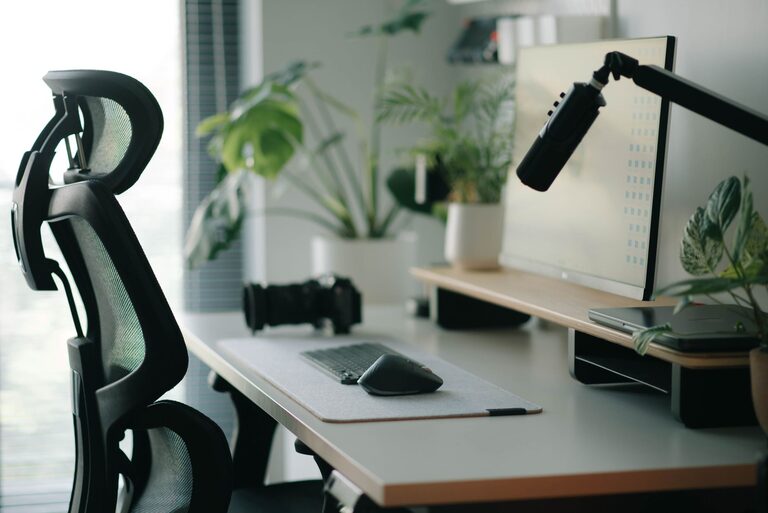

Creating a personalized workspace can greatly enhance your comfort, focus, and productivity. Whether you work from home or in an office, adding a few thoughtful touches to your desk area can make your workday more enjoyable. In this post, we’ll explore simple ways to customize your workspace without overwhelming your environment or breaking the bank.
Why Personalize Your Workspace?
Your workspace is more than just a spot to complete tasks; it’s where you spend a significant part of your day. Personalizing it can:
– Boost your mood and motivation
– Enhance creativity and focus
– Reduce stress by creating a calming environment
– Reflect your personality and make the space feel welcoming
Now, let’s explore practical ideas to make your workspace truly yours.
1. Start with Organization
A clutter-free area is the foundation of a personalized workspace. When your desk is tidy, it’s easier to concentrate and feel relaxed.
Tips for organizing effectively:
– Use drawer organizers or desk trays to keep small items tidy.
– Invest in cable management tools to reduce wire clutter.
– Keep only essential items on your desk and store everything else.
– Use labels if needed to quickly find supplies.
2. Choose Comfortable and Functional Furniture
Your chair and desk should support your posture and comfort. Consider these points:
– Pick an adjustable chair with good lumbar support.
– If possible, try a desk with adjustable height or a standing desk option.
– Add a footrest or ergonomic accessories if needed.
Comfort boosts productivity and prevents fatigue.
3. Add Personal Touches
Personal items can make your workspace inviting without overdoing it. Consider:
– Family photos or a small framed print of favorite places.
– Inspirational quotes that encourage you.
– A small collection of meaningful objects like souvenirs or handmade crafts.
Balance is key: too many items can feel distracting.
4. Incorporate Plants for Freshness and Calm
Plants not only improve air quality but also add a vibrant, natural feel.
– Choose low-maintenance plants like succulents, pothos, or snake plants.
– Use decorative pots that match your style.
– Position plants where they can get enough light or use grow lights if necessary.
Even a small plant can brighten your workspace.
5. Use Color Wisely
Colors affect mood and productivity. You can personalize using colors on walls, accessories, or desk items.
– Soft blues and greens promote calmness.
– Yellow or orange can spark creativity and energy.
– Choose desk organizers, mousepads, or wall art in your favorite colors.
Avoid overly bright colors if they tend to distract you.
6. Improve Lighting
Good lighting reduces eye strain and helps maintain focus.
– Position your desk near a window for natural light if possible.
– Use a desk lamp with adjustable brightness and warm light settings.
– Consider adding LED strip lights behind your monitor for soft background illumination.
Proper lighting enhances both comfort and aesthetics.
7. Customize Your Tech
Technology is central to most workspaces, and small customizations can improve your experience.
– Choose keyboard covers or mousepads with designs you like.
– Set personalized desktop backgrounds.
– Use ergonomic peripherals that suit your style and needs.
These details make repetitive tasks more enjoyable.
8. Create a Dedicated Inspiration Zone
If space allows, set up an area specifically for brainstorming or relaxation.
– Use a corkboard or whiteboard for notes and ideas.
– Hang a vision board with goals and aspirations.
– Add a comfy chair or cushion for breaks.
Having a separate spot encourages creativity and mental breaks.
Final Thoughts
Personalizing your workspace doesn’t require a major overhaul. Small changes tailored to your preferences can transform your environment into a space that supports your work and well-being. Start with organization, add comfort and personal touches, and nurture your space with plants and proper lighting. Your workspace should inspire you to do your best every day!
Feel free to experiment and adjust as your needs evolve—your perfect workspace is a work in progress.
About the Author