Planning balanced meals doesn’t have to be overwhelming. With a few straightforward steps, you can create nutritious, delicious meals that keep you energized and satisfied throughout the day. Whether you’re new to meal planning or looking to simplify your routine, this guide will walk you through stress-free ways to prepare balanced meals.
What Is a Balanced Meal?
A balanced meal includes a variety of food groups to provide essential nutrients your body needs. Typically, it contains:
– Proteins: such as lean meats, beans, tofu, or fish
– Carbohydrates: whole grains like brown rice, quinoa, or whole wheat bread
– Healthy Fats: found in nuts, seeds, avocados, and olive oil
– Vegetables and Fruits: rich in vitamins, minerals, and fiber
Eating balanced meals helps maintain energy, supports overall health, and can improve digestion.
Why Planning Meals Matters
Taking some time to plan meals ahead can:
– Reduce stress around “what’s for dinner?”
– Save money by avoiding last-minute takeout
– Help control portion sizes and nutritional intake
– Minimize food waste by buying only what you need
Step 1: Start with a Weekly Meal Plan
Creating a meal plan for the week helps you stay organized and prepared. Here’s how to begin:
Choose Your Meals Ahead of Time
Write down breakfast, lunch, dinner, and snacks for each day. Use simple recipes you enjoy to keep things manageable.
Consider Your Schedule
Plan quick meals for busy days and more elaborate dishes when you have extra time. Flexibility is key.
Reuse Ingredients
Select recipes that share ingredients to simplify grocery shopping and reduce waste.
Step 2: Focus on Portion Balance
Getting portion sizes right is important for a balanced meal. Try using the “plate method”:
– Fill half your plate with vegetables and fruits
– Reserve one quarter for proteins
– Assign the last quarter to whole grains or starchy vegetables
– Include a small amount of healthy fats, like a drizzle of olive oil or a small handful of nuts
Step 3: Keep Your Pantry and Fridge Stocked
Having staple ingredients on hand makes preparing meals easier. Consider stocking:
– Canned beans and lentils
– Whole grains: brown rice, oats, quinoa
– Frozen vegetables and fruits
– Healthy oils and spices
A well-stocked kitchen lets you throw together balanced meals quickly.
Step 4: Prep in Advance
Preparing ingredients ahead of time saves work during busy days. You might:
– Chop vegetables for salads or stir-fries
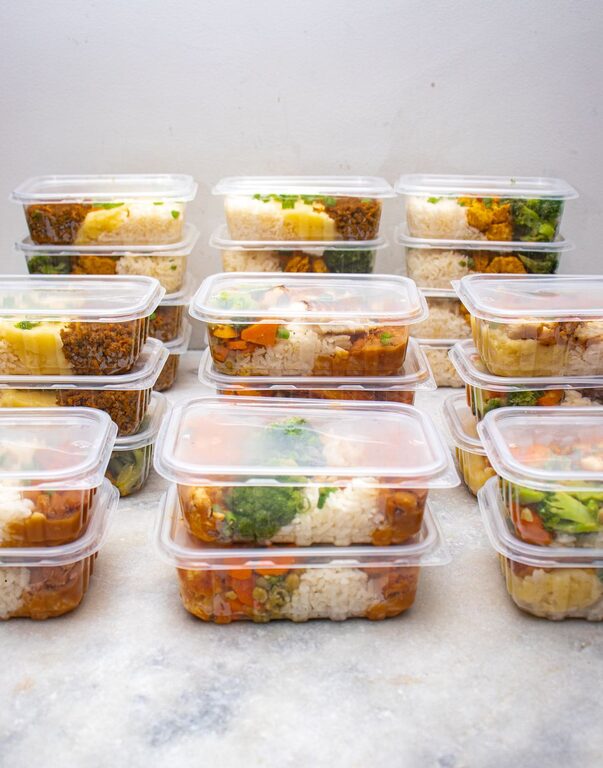
– Cook grains like rice or quinoa in bulk
– Portion out snacks like nuts and cut fruits
Store these in clear containers for easy grabbing.
Step 5: Use Simple, Flexible Recipes
Choose recipes that are forgiving and easy to adjust based on what you have. For example:
– Stir-fries with your choice of veggies and proteins
– Grain bowls topped with roasted vegetables and dressing
– Omelets filled with vegetables and cheese
These allow you to swap ingredients without feeling locked in.
Step 6: Practice Mindful Eating
Balanced meals are most effective when you enjoy them without rush. Take time to:
– Eat without distractions like TV or phones
– Savor each bite and notice your hunger levels
– Stop eating when comfortably full
Mindful eating supports digestion and satisfaction.
Tips to Reduce Meal Planning Stress
– Keep it simple: You don’t need to cook gourmet meals every day. Simple dishes can be nutritious and tasty.
– Use leftovers: Plan for leftovers and incorporate them into lunches or dinners.
– Make it a family activity: Involve family members in planning and cooking to share the workload.
– Set a routine: Consistent meal times help you develop healthy habits.
– Allow flexibility: It’s okay to switch meals or take a rest day without stress.
Sample Balanced Meal Ideas
Here are a few easy meal ideas to inspire your planning:
– Grilled chicken breast, quinoa, and steamed broccoli with lemon
– Lentil soup with mixed vegetables and a side of whole-grain bread
– Stir-fried tofu with brown rice and colorful bell peppers
– Scrambled eggs with spinach and whole-grain toast
– Mixed greens salad with chickpeas, avocado, cherry tomatoes, and vinaigrette
Final Thoughts
Balanced meal planning is a skill that becomes easier with practice. By organizing your meals, preparing ingredients ahead, and focusing on simple, nourishing recipes, you can reduce mealtime stress and enjoy the benefits of healthy eating. Remember, there’s no one-size-fits-all approach—feel free to adapt these tips to what works best for you and your lifestyle.
About the Author